
Here’s why we’re rebuilding Plaece
We decided to turn off Plaece 1.0 because we realised we needed to fundamentally rethink and clarify what we were building, before moving forward.
And it's not because it didn't work.
We had momentum, but we were building something we couldn't yet see clearly. The only honest thing to do was stop, go back to the source, and look harder.
Let's walk through how we got here - and what comes next.
What we built.
Plaece 1.0 was a white-label app platform for wellness coaches and holistic practitioners. The timing was right, as was the problem it addressed: fragmented tools, tech overwhelm, and practitioners between feast and famine. It was real, and it still is.
But building the right thing for the right people requires something we didn't have enough of yet: people using it. Not just the clients we onboarded, but their clients or end users.
The first hard truth:
our clients weren't launching
We built for coaches. We worked with coaches. We brought coaches onto the platform.
And then we watched them wait.
Waited until the content was ready. Until the branding felt right. Or until what they were offering felt polished enough to put in front of someone's eyes. "I need more time to create content”.
We understood it completely. Both of us have been there. You care so much about the experience you're creating that you can't bring yourself to ship something half-built.
But that perfectionism meant the platform wasn't being used the way it needed to be. Without end users navigating the app, moving through programs, and engaging with content, we couldn't see what was actually breaking. We couldn't feel where the friction lived, and we were building on assumptions rather than evidence.
We couldn't solve a problem we couldn't fully observe. Although data is a boring subject, in software and in business, it means everything.
The second hard truth: our development team couldn't move at the pace we needed
What's technically possible has changed faster than most people realise, and the gap between AI-assisted development and traditional development is no longer small.
We wanted to build and iterate on feedback in days, experimenting without losing a sprint (typically a two-week cycle in software development).
Our team was capable, but the approach wasn't built for the speed this moment demands.
If we were going to build something genuinely good, something that could hold up, scale, and keep pace with where technology is heading, we needed to rebuild the way we move, not just what we're building.
Before we turned it off, we took care of our clients.
We had practitioners on the platform across Australia, the US, and Spain. That mattered to us, so we didn't just flip a switch.
We worked closely with each of them, understood how they used Plaece, what they needed to carry forward, and helped them transition to interim platforms. We stayed in the conversation until they landed somewhere that felt right.
It was the right process for our clients, and those relationships are part of why we know what to build next and what not.
What we found along the way
We want to be clear about something: this chapter wasn't only hard. It was also incredibly rewarding - and still is.
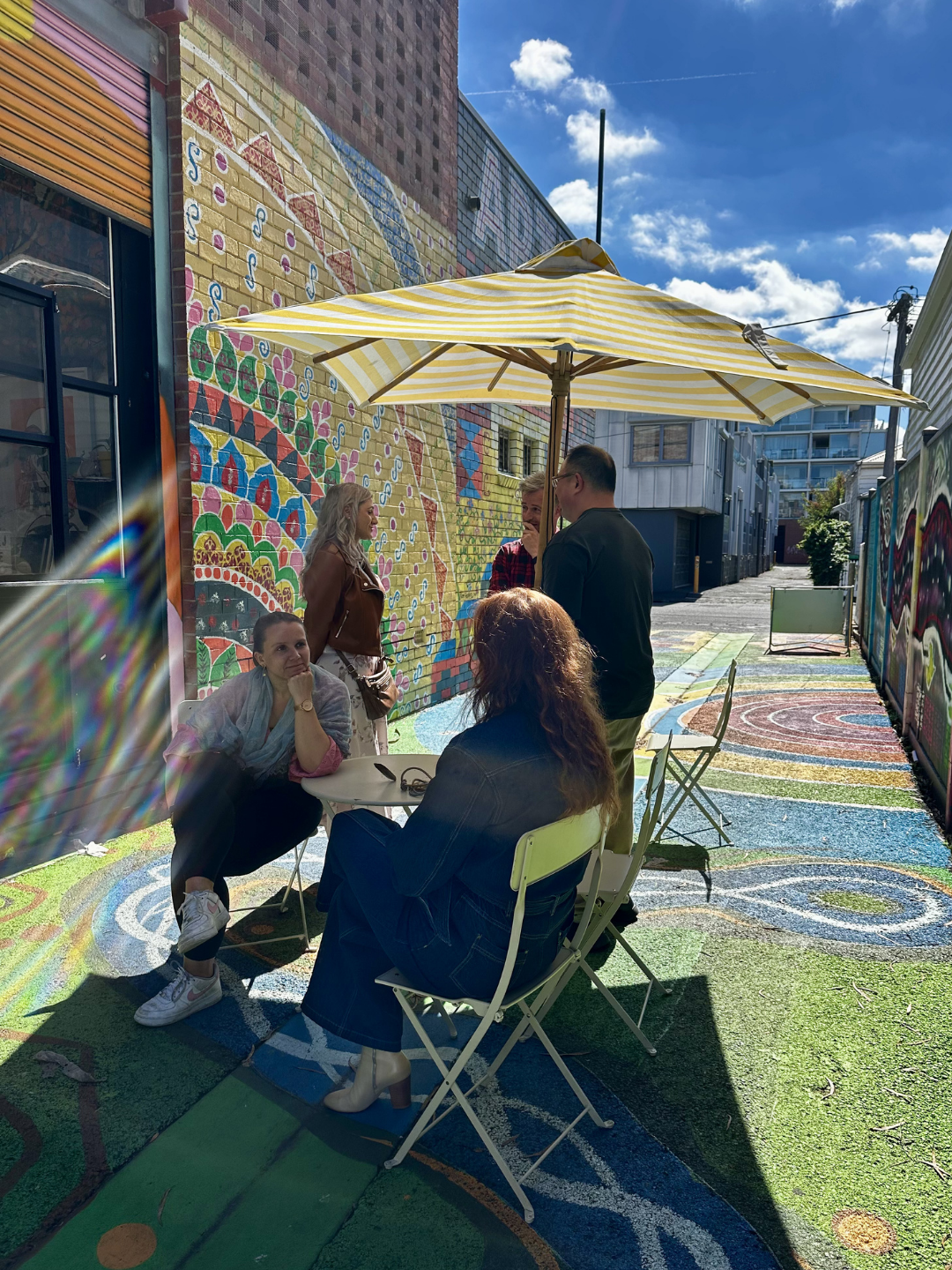
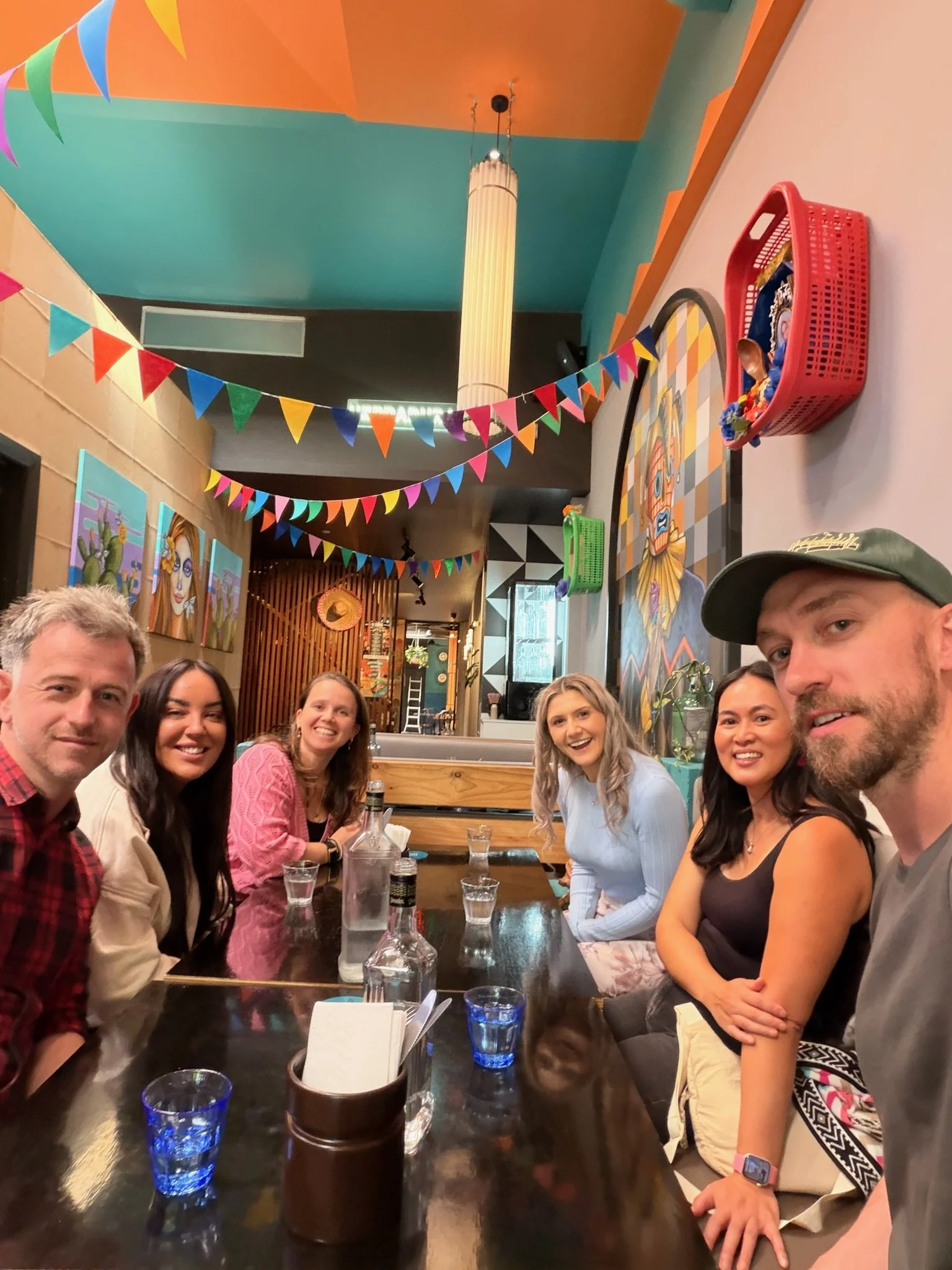
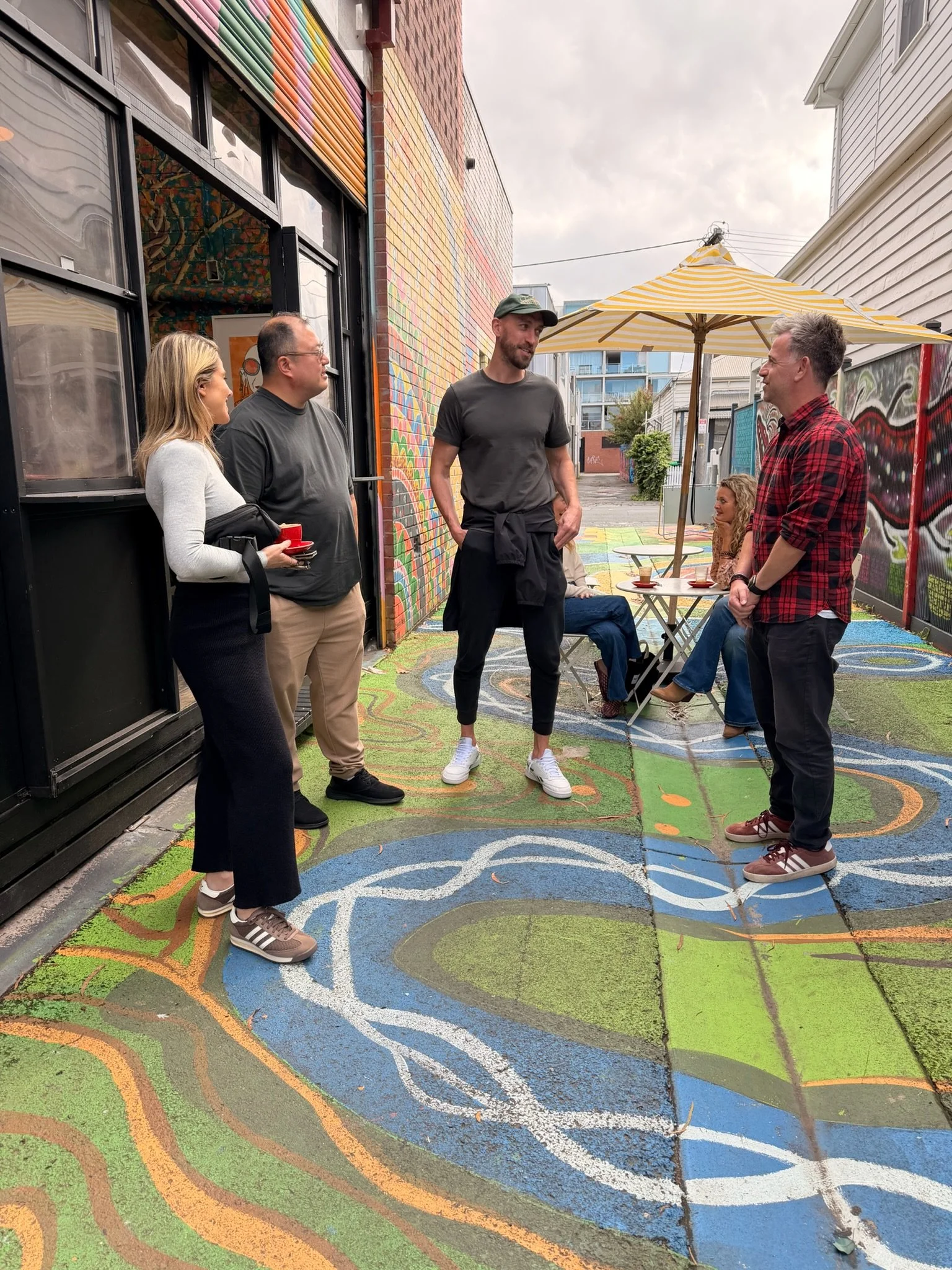
We built a community of people we genuinely care about. Dozens of conversations with practitioners, facilitators, and coaches across the world - people in Melbourne who are still part of our in-person community, and people as far as Serbia, South Africa, and India. That reach surprised us, and the depth of those conversations surprised us even more.
Throughout this past year, we were reminded of what it actually takes to build a business that stays true to what you care about. We were tested on it regularly. There were moments where the easier path was to move faster, take shortcuts, and say yes to things that didn't quite fit. We held the line.
One of those moments was an investment. We pitched, had deep conversations and then paused accepting it. Deliberately. Because we knew to take Plaece to where it needs to be, we'd have to "start again”, and we didn't want to bring outside capital into the picture. That's not something most startups say out loud or a risk they're willing to take. “What would happen if we wait too long, and that investor moves on?” Many would rather take the capital and figure out how to use it, but for us, we'd rather keep that relationship intact with integrity.
The mission has always been about reconnecting people to their wellbeing. That only works if people can trust what they're stepping into - even as investors.
You don't just invest in our business, you invest in us and our values.
So we stopped.
We made a deliberate call.
Go back to the people, before the next line of code and before the next feature spec.
We've spent the last several months upskilling ourselves, spending time in conversation with our founding members, with practitioners in our community, with coaches who are further along in their businesses and coaches who are just starting out. We also both freelance with clients in the wellness space. Asking the questions we've asked from day one.
What's actually breaking? What are you genuinely stuck on, right now, this week?
What we heard was more specific than ever. Funny how clarity comes through at this point in time.
Why we're building community first
The practitioners we're building for are often isolated. They left their jobs to do this work or they’re still in a life surrounded by people who don’t quite understand what they do “What do you mean you help people breathe?" They're building businesses, learning marketing, and navigating tech on their own.
They need to be around people who understand what they're carrying and who can help them figure out the next step.
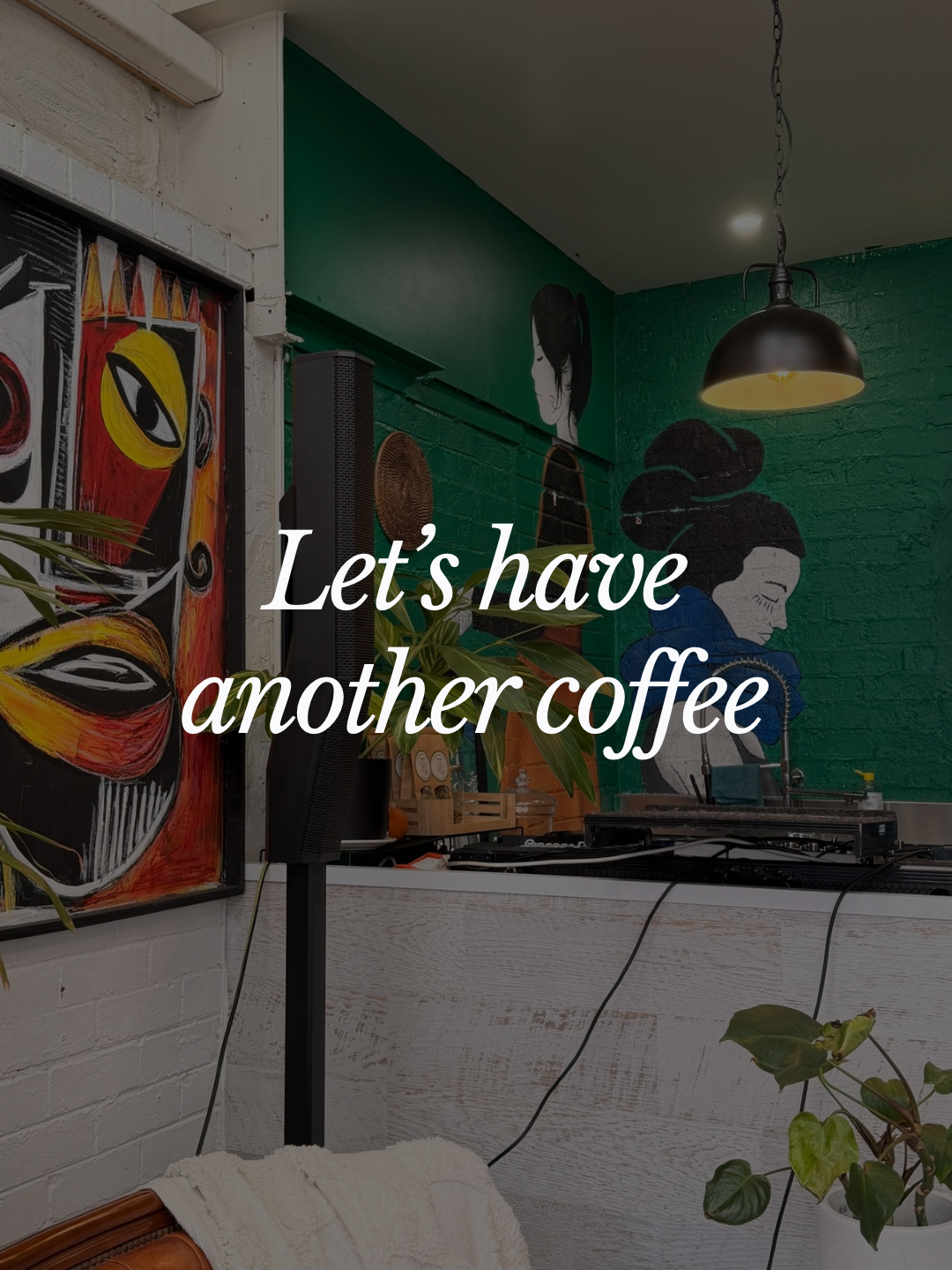
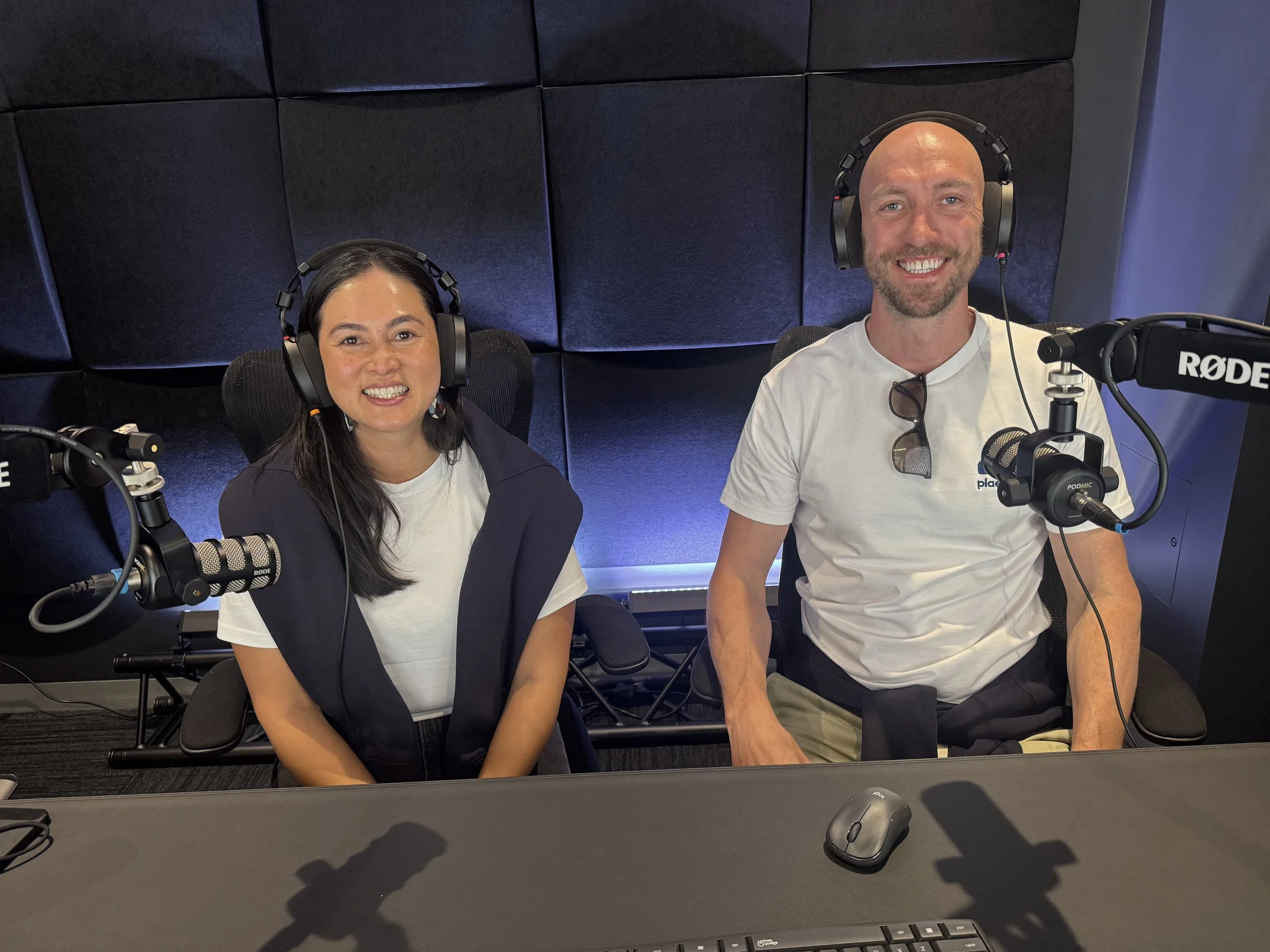
So we're building the community alongside the product. That means real conversations. A space where practitioners can ask questions, share what's working, and be honest about what isn't. Where we're in the room as Paul and Ann, not a support inbox - listening. And where what we learn shapes what we build.
It’s also a space for those who are curious about holistic modalities or are progressing their own growth or healing journey. We’ve both been there in those shoes, taking those first steps into wellness studios, mindfulness or energy work. Plaece is here for those enquiring and those serving.
What Plaece 2.0 is
We're not ready to announce everything yet and that's intentional.
What we can say: it's leaner, faster to build on, and closer to what practitioners actually need based on what they've told us directly. It's being built from the ground up with AI-assisted development, which changes what's possible in terms of speed and iteration. But we still believe in human engineering and have advisors supporting us along the way, especially around security and infrastructure. And it's being built in conversation with the people it's for.
The mission hasn't changed.
We still believe wellness practitioners deserve tools designed for their world — built for coaching, depth, and human connection, not retrofitted from fitness apps, learning, or event platforms. Or the current trend of influencers or established creators pivoting into the wellness market because they see dollar signs, not people. You’ve probably been inundated with ads from Skool asking “if you can teach breathwork” or “if you’re an energy healer”. Or maybe it’s Kajabi telling you to “Make your first $1,000 from your expertise”.
We still believe the practitioners doing the real work deserve to sustain themselves while doing it. And with a platform and people who actually believe in what they’re doing.
We just got more honest about what it takes to build that properly.
If you've been with us from the beginning
Thank you. You don’t know how much it means to have your support. Every like, comment, or message helps us to keep moving ahead and connect with more people.
The people who came on board early, shared feedback, told us what wasn't working, and stayed patient through the uncertainty — you're the reason we know what we're building now.
If you want to be part of what comes next: the community, the early access, the conversations that shape where this goes - the door is open. Virtually and in-person.
You can find us here. Or book a time to talk directly.
The work is worth doing properly.
— Ann & Paul